
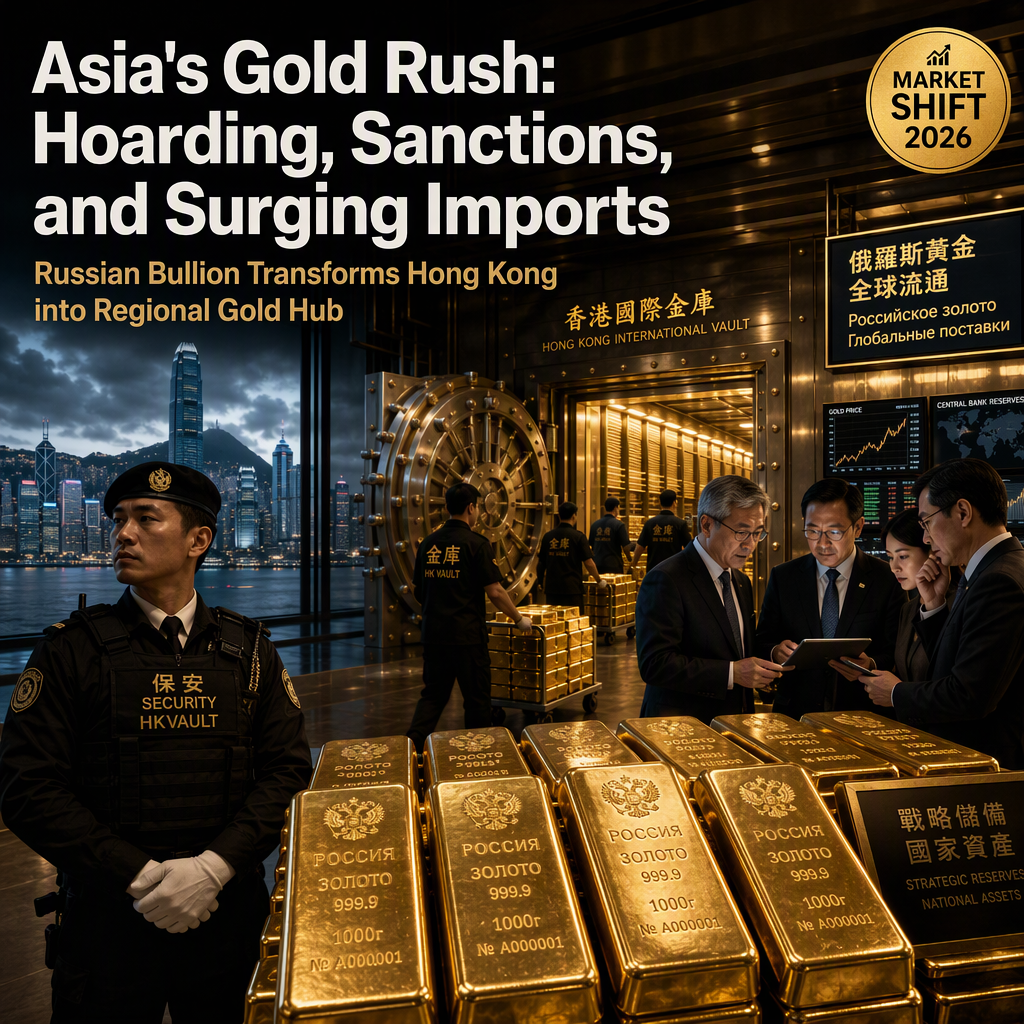
Asian gold markets are undergoing significant transformation as producers across the region intensify efforts to retain domestic gold supplies in response to surging prices and geopolitical risks. Countries such as India, Indonesia, and Vietnam are increasing refining of locally mined gold and imposing new taxes on exports, while central banks ramp up purchases to bolster reserves. This trend, described by analysts as 'resource nationalism,' is driven by waning confidence in the U.S. dollar and concerns over sanctions, prompting governments to prioritize gold accumulation as a strategic asset [1].
Market analysis indicates that central bank buying is providing a price floor, with technical indicators showing a bullish outlook for gold. Export restrictions and higher tariffs are limiting supply abroad, potentially driving further price gains. India's gold-based lenders have benefited from these policy shifts, and companies like Indonesia's Indika Energy are diversifying into gold amid volatility in other commodities [1].
Simultaneously, Western sanctions have redirected Russian gold exports away from traditional markets such as London and the U.K. toward Asia, particularly Hong Kong. In the first seven months of 2026, Hong Kong imported a record 112.7 tonnes of Russian gold, surpassing the previous annual record of 92.1 tonnes in 2025 and dwarfing the 3.3 tonnes imported in 2021. Russian bullion now accounts for almost 15% of Hong Kong's non-monetary gold imports, up from 0.6% in 2021. Analysts note that Hong Kong has become a crucial hub for Russian gold entering mainland China, which has not imposed sanctions on Russian bullion. The city's expanding storage, clearing, and trading infrastructure is positioning it ahead of regional competitors like Singapore in the race to become Asia's premier gold trading hub [3].
The influx of Russian gold into Hong Kong coincides with Asian producers' efforts to hoard domestic supplies, creating a dynamic where both supply and demand are increasingly concentrated within the region. Analysts emphasize that policy shifts, central bank activity, and evolving trade routes are now critical factors influencing gold market direction. Investors are advised to closely monitor these developments, as they are likely to have a lasting impact on price trends and market structure [1][3].
CONCLUSION
Asian gold markets are being reshaped by a combination of domestic hoarding, central bank accumulation, and the rerouting of Russian bullion through Hong Kong. These developments are supporting bullish sentiment and price stability in the region, with policy and geopolitical factors now playing a decisive role in market dynamics. Investors should remain attentive to further policy changes and shifts in trade flows, as they will continue to drive market direction.