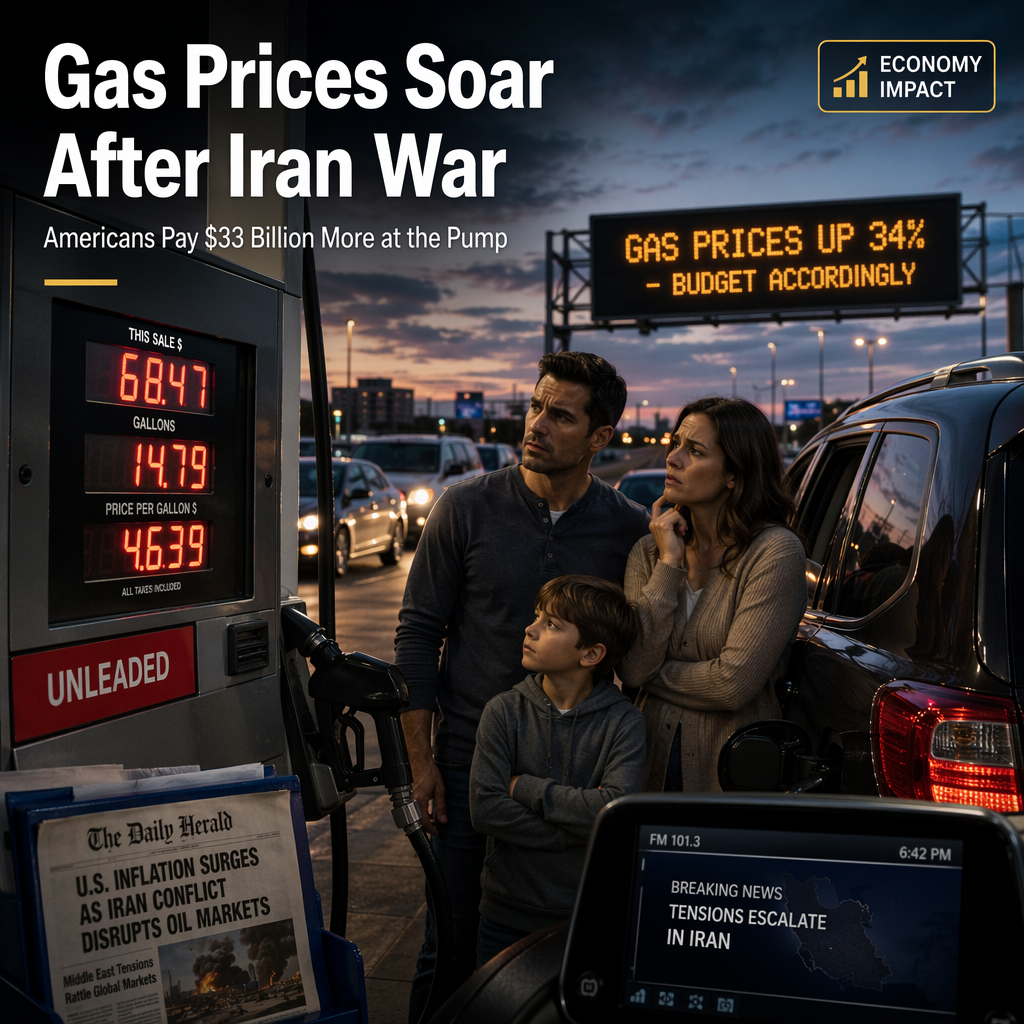
Since the onset of the war in Iran, Americans have collectively spent an additional $33 billion on gasoline, according to an estimate from Brown University [1]. National average gas prices have risen 34% since February 28, when the U.S. first struck Iran [1]. This surge has translated into higher monthly expenses for drivers, ranging from less than $20 to more than $300 for those who fill up twice a month, based on an NBC News analysis of AAA’s average national gas price data [1].
The week of May 11 saw gas prices reach the 10th-highest weekly rate in the past decade, with the national average at $4.63 per gallon, as reported by the U.S. Energy Information Administration [1]. The last time average gas prices exceeded $4 was in 2022, following Russia's invasion of Ukraine [1]. At the state level, Wyoming residents have experienced the steepest increases, with prices up more than 50% since February and averaging $4.70 per gallon as of Wednesday. Utah and Wisconsin have also seen price hikes of at least 50% over the past four months, while Indiana's increase has been more moderate at 57 cents since February [1].
The rise in gas prices has led to behavioral changes among consumers. An analysis by Placer.ai found that gas station visits across the U.S. were down 5% in May compared to May 2025, indicating that some Americans are driving or filling up less often [1]. Additionally, April data from the Federal Reserve Bank of New York shows that consumers expect to spend more on transportation and utilities over the next 12 months, while cutting back on vacations, homes, and electronics [1].
In response to the higher costs, some states have paused their gas taxes or postponed planned increases. There have also been discussions within the Trump administration about pausing the federal gas tax, though no action has been taken yet [1]. A recent peace deal announcement and memorandum of understanding suggest the war could be nearing its end, which may impact future gas prices [1].
CONCLUSION
The war in Iran has driven U.S. gas prices up 34%, costing Americans an extra $33 billion and prompting changes in consumer behavior and state tax policies. With a potential peace deal on the horizon, there may be relief ahead, but the recent surge has already had a significant economic impact.