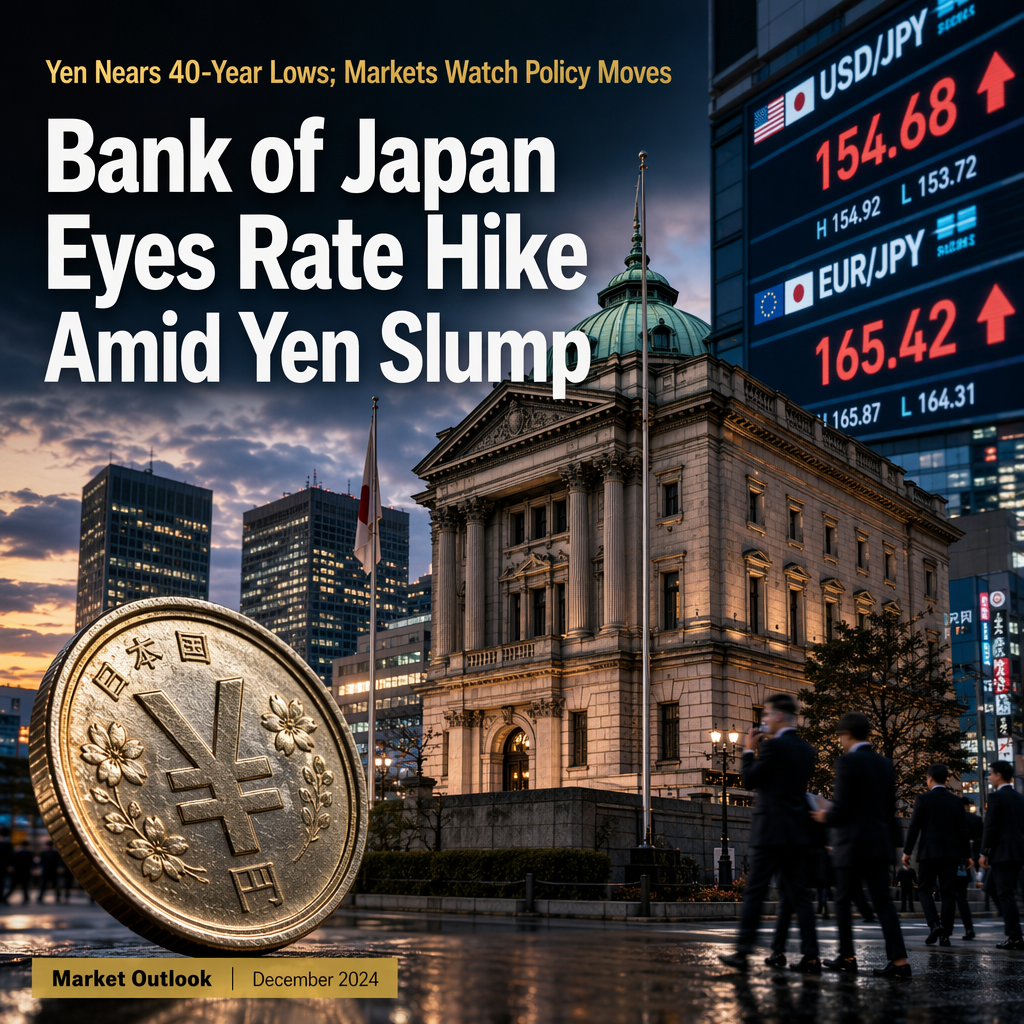
A majority of economists surveyed in a Reuters poll anticipate that the Bank of Japan (BoJ) will raise its key interest rate again by the end of December, with some expecting a move as early as October. 86% of respondents forecast the BoJ will hike its rate to 1.25% by the end of the fourth quarter, up from 79% in the previous survey, and 70% expect rates to reach at least 1.50% by Q2 2027. 51% see 1.50% as the terminal rate. Concerns about the impact of rising Japanese Government Bond (JGB) yields on Japan's debt-financing costs are notable, with 58% of economists describing the situation as 'very' or 'somewhat' concerning [1].
The Japanese Yen (JPY) has edged higher amid speculation that authorities may intervene to support the currency, but it remains close to a four-decade low against the US Dollar (USD), trading just above the 163.00 mark. Japan's Finance Minister Satsuki Katayama reiterated the government's readiness to take decisive action on foreign exchange if needed. Despite the recent BoJ rate hike to 1%, the highest since 1995, borrowing costs in Japan remain low compared to other major economies, sustaining the carry trade and contributing to the Yen's underperformance. Rabobank analysts caution that intervention alone is unlikely to change the currency's direction unless fundamentals shift, emphasizing that durable Yen support depends on broader economic and policy changes [2].
Market reaction has been muted, with the USD/JPY pair down 0.05% on the day at 163.07 [1]. Technical analysis of EUR/JPY shows continued bullish momentum, with the pair trading around 186.40 and positioned for further gains toward the all-time high of 187.95, recorded on April 17. The Euro was the strongest against the US Dollar in today's trading, while the Yen remained weak relative to other major currencies [4].
Looking ahead, traders are focused on upcoming US Weekly Initial Jobless Claims data, Japan's national consumer inflation figures due Friday, and the highly-anticipated Fed and BoJ meetings next week, which are expected to provide further direction for the USD/JPY pair. Analysts note that rising energy prices and geopolitical tensions, particularly in the Middle East, are fueling inflationary concerns and bolstering Fed rate hike bets, which favor USD bulls and limit downside for the USD/JPY pair [2][5].
CONCLUSION
The Bank of Japan is widely expected to raise rates again by December, but the Yen remains near historic lows against the US Dollar despite intervention risks and recent policy shifts. Market participants are closely watching upcoming economic data and central bank meetings for further cues, with the outlook for the Yen dependent on both domestic policy changes and global economic developments.