
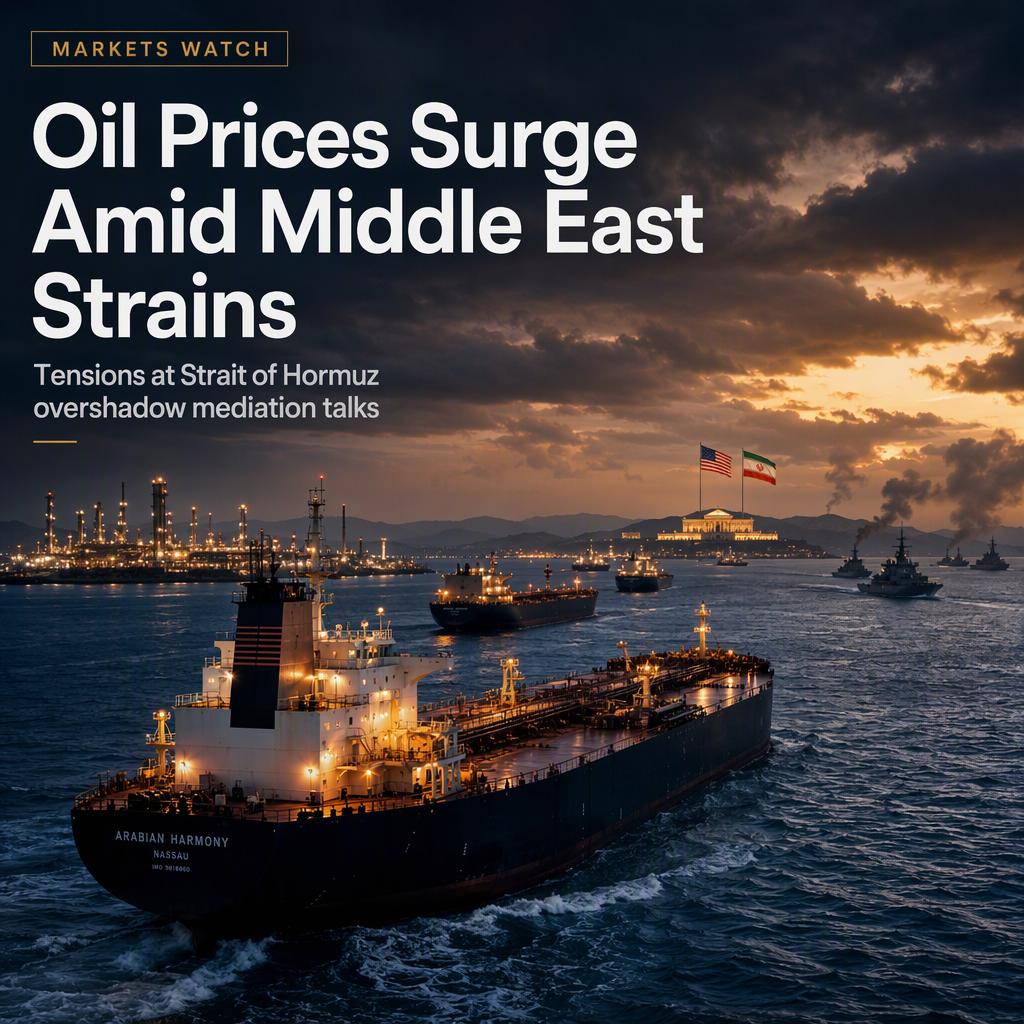
Oil prices extended their gains for a second consecutive day on Tuesday amid ongoing concerns about the prolonged conflict in the Middle East, despite reports of mediation efforts to ease tensions [1]. Brent crude futures for November delivery rose by 1.22% to $106.56 per barrel, while U.S. West Texas Intermediate futures increased by over 1% to $93.57 per barrel [1].
The U.S. and Iran are reportedly engaging in indirect talks through Qatari mediators in New York, according to Iranian Foreign Minister Abbas Araghchi as cited by Al Jazeera [1]. Market participants are closely monitoring the progress of these negotiations, with Mahmoud Mashal, a senior market analyst at VT Markets Dubai, noting that any significant advancement in ceasefire discussions could potentially drive crude prices lower [1].
Despite these diplomatic efforts, concerns remain over the security of energy infrastructure and oil flows in the region, particularly due to renewed tensions between Saudi Arabia and the Houthis [1]. The Strait of Hormuz, a vital passage for 20% of the world's oil supply prior to the war, continues to be a focal point for market watchers [1].
Additionally, former President Trump reportedly rejected Tehran's conditional proposal for reopening the strait, indicating to aides his intention to resume bombing Iran after the midterm elections in November [1].
CONCLUSION
Oil markets remain highly sensitive to developments in the Middle East, with prices rising on persistent supply concerns despite ongoing mediation efforts. The situation around the Strait of Hormuz and the potential for renewed conflict continue to drive market volatility.