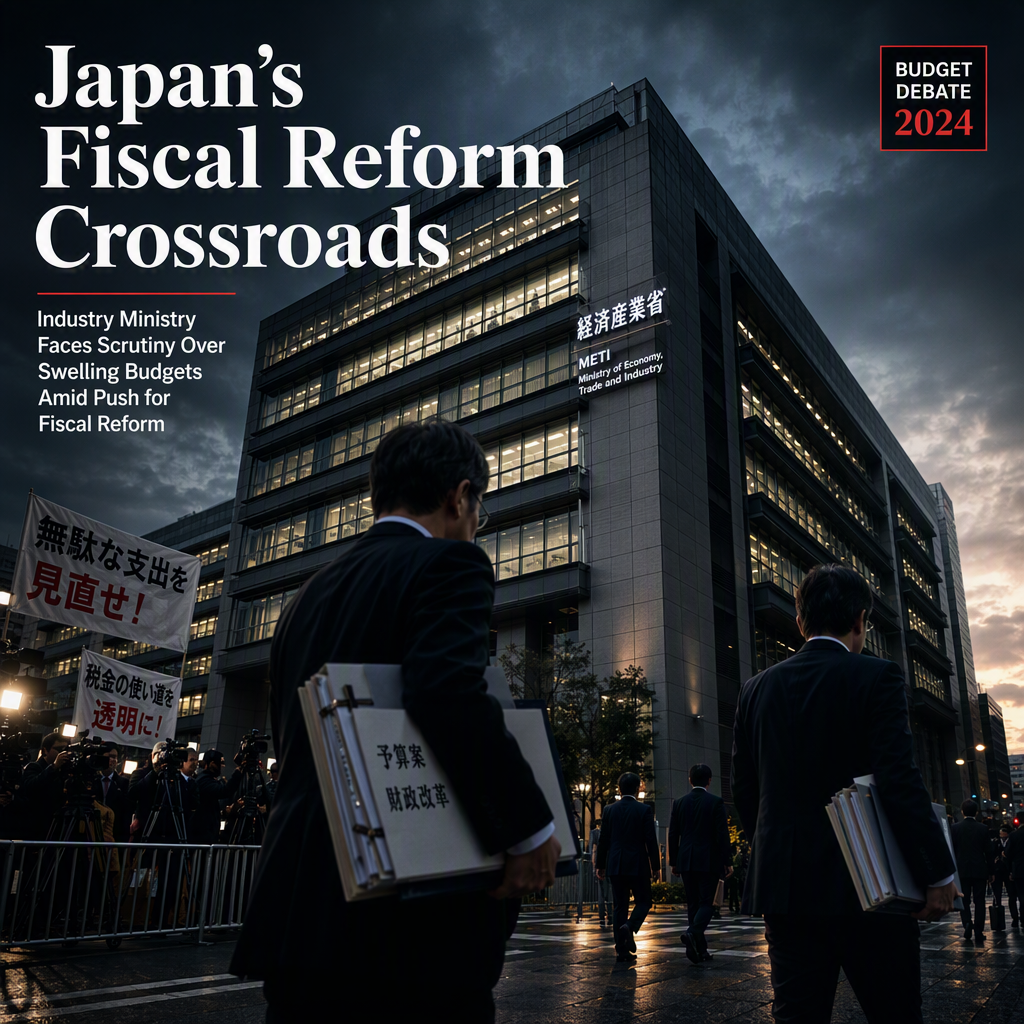
Japan's Ministry of Economy, Trade and Industry (METI) has experienced a significant increase in its budget, largely due to the repeated use of substantial supplementary budgets in recent years [1]. This marks a dramatic shift from the ministry's historical role, which required relatively modest funding for administrative guidance rather than large-scale spending [1]. The latest budget request for the upcoming fiscal year includes $78 billion in uncapped growth investment, contributing to a record total of $918 billion in budget requests from all ministries for the next fiscal year [1].
Prime Minister Sanae Takaichi is advocating for the integration of supplementary budgets into the initial budget, aiming to enhance transparency and efficiency in government spending [1]. However, critics caution that this move could undermine the original intent of supplementary budgets, which are designed to provide flexible responses to unforeseen events such as natural disasters or economic crises [1]. A senior government official noted that the frequent and large-scale use of supplementary budgets has eroded the sense of urgency and exceptional need, making it difficult to distinguish between truly urgent expenditures and routine spending [1].
In response to these concerns, the government is considering several measures to improve the management of supplementary budgets. These include implementing stricter eligibility guidelines, increasing scrutiny of spending plans, and introducing mechanisms to prevent supplementary allocations from becoming permanent fixtures in ministry budgets [1]. The ongoing debate over the use of supplementary budgets is expected to intensify as the government advances its fiscal integration plans, with growing pressure to control public spending and ensure fiscal sustainability [1].
CONCLUSION
Japan's approach to supplementary budgets is under heightened scrutiny as METI's spending continues to rise and the government seeks to integrate these funds into the initial budget. The outcome of this debate will be a key indicator of Japan's commitment to fiscal reform and spending discipline.