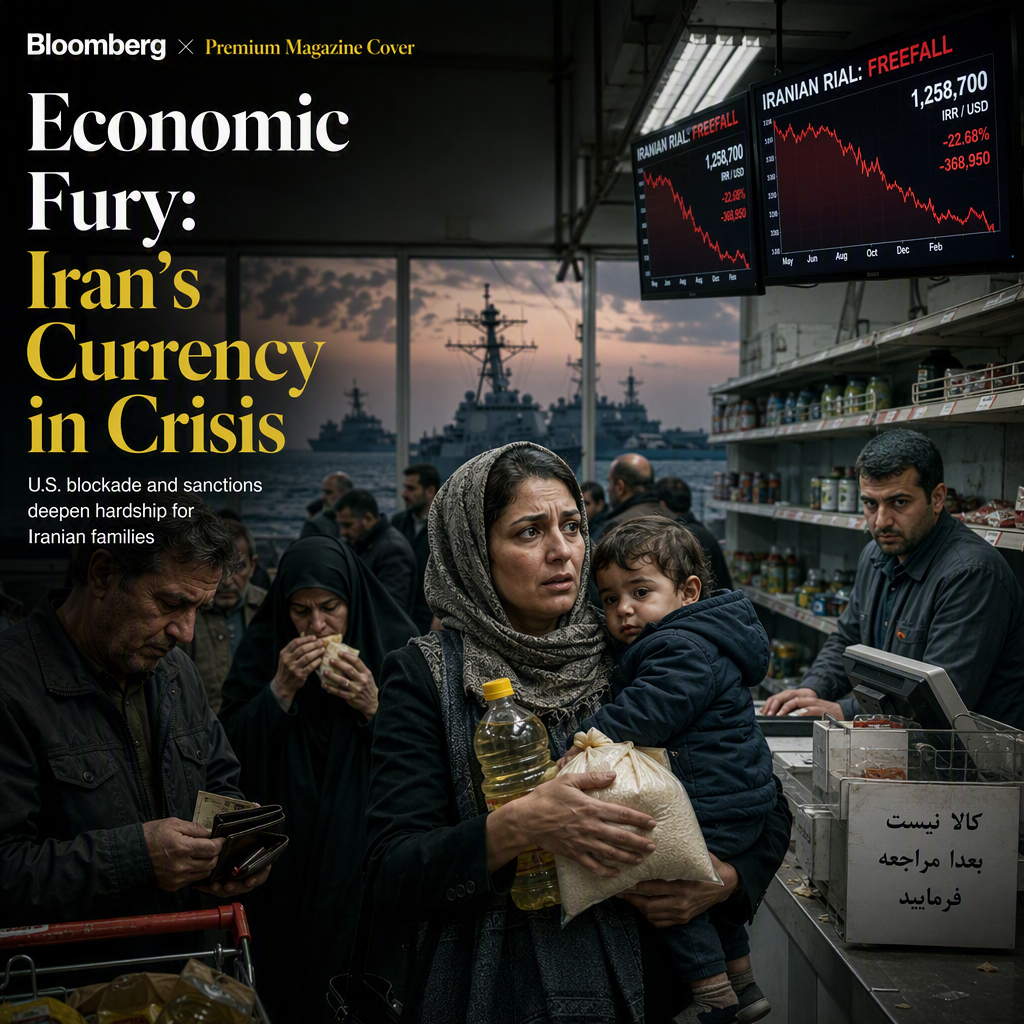
President Donald Trump has indicated that the United States will continue to rely on mounting economic pressure against Iran, rather than immediately escalating military action, in response to Tehran's current situation. In a phone interview with Axios, Trump stated, 'We are only semi-negotiating with them. We are just watching Iran with its huge inflation and the fact they have no money,' highlighting the severe economic distress Iran is experiencing, including its struggle to pay troops [1]. Trump also attributed part of Iran's financial crisis to the U.S. naval blockade on the Strait of Hormuz, which he claims has compounded the country's economic woes [1].
The administration has intensified its campaign, dubbed 'Economic Fury,' targeting Iran's oil trade, shadow banking networks, weapons procurement operations, cryptocurrency holdings, and sanctions-evasion infrastructure. According to the U.S. Treasury Department, this campaign has prevented 'tens of billions of dollars' in revenue from reaching the Iranian regime and its proxies. Additionally, as of July 29, the Office of Foreign Assets Control (OFAC) had sanctioned more than 100 vessels linked to Iran's shadow fleet since the beginning of 2026 [1].
The effects of these measures are increasingly visible in Iran, with reports from the Iranian newspaper Jahan-e Sanat describing supermarket workers witnessing customers shoplifting basic groceries or consuming food inside stores due to unaffordability. These accounts underscore the strain on Iranian households as inflation rises and purchasing power erodes [1].
A Treasury spokesperson stated that 'Economic Fury has left the regime desperate for cash,' and emphasized that Iran's economy is in freefall, with skyrocketing inflation and a decimated ability to pay its troops, as echoed by President Trump [1]. Trump reinforced this message on Truth Social, sharing a graphic depicting the Iranian rial's steep decline and labeling the currency as 'trash' [1].
CONCLUSION
The Trump administration is doubling down on economic pressure as its primary tool against Iran, citing significant impacts on the country's financial stability and military capabilities. With inflation surging and ordinary Iranians facing severe hardship, U.S. officials believe the sanctions campaign is leaving the regime increasingly desperate for cash. The market impact is high, as the ongoing measures continue to restrict Iran's access to critical revenue streams.